
How Foster Parents Can Partner with Teachers: Communicating Your Child's Needs While Protecting Their Privacy

Last Updated: March 27th, 2026
Medically Reviewed by: Sarah Chen, MD, FAAP, Board-Certified Pediatrician
Written by: Rebecca Lawson, LCSW, Licensed Clinical Social Worker, Foster Parent
Key Takeaways
1. Understanding a child's trauma and behavioral background is crucial when communicating with teachers
2. Approaching teachers with empathy and a collaborative mindset fosters stronger partnerships
3. Foster children face specific emotional, social, and academic challenges that require trauma-informed consideration
4. Clear communication of relevant trauma history helps teachers provide informed support without compromising privacy
5. Establishing ongoing communication between foster parents and school staff promotes academic and emotional well-being
6. Balancing transparency with confidentiality protects the child from stigmatization
Introduction: The School Partnership Challenge
Foster children face many challenges, and navigating a new school can often amplify these difficulties. For foster parents, effectively communicating a child's history and emotional needs to teachers is critical. However, the process is delicate. While transparency is important, it must be handled with care and respect for the child's privacy and emotional well-being.
With over ten years of experience as both a trauma therapist and a foster mother to more than 50 foster children ranging from infants to teenagers, I have seen firsthand how vital communication between foster parents and school staff is for a child's success. By strategically sharing information, foster parents can help create a supportive, understanding environment at school, allowing children to thrive despite past trauma.
Why School Communication Matters for Foster Children
The Cost of Missing Context
Effective communication between foster parents and school staff is a critical component of a child's academic success, social development, and emotional well-being. Teachers and school counselors are often the first to notice signs of distress, behavioral challenges, or difficulty with learning. Without a thorough understanding of the child's background, school staff may misinterpret behaviors or miss opportunities to offer crucial support.
Foster children often bring a history of trauma, instability, or disrupted attachment into their school experience. These factors can manifest in challenges such as:
- Difficulty focusing or sustaining attention
- Impulsivity or hypervigilance
- Social withdrawal or isolation
- Trouble following instructions or transitions
Without context, these behaviors can be misunderstood as simple defiance or a lack of effort. By communicating relevant information about a child's background, foster parents can ensure teachers have the necessary tools to respond effectively with trauma-sensitive approaches.
Sarah's Story
Sarah, a 7-year-old placed in foster care after experiencing neglect, was starting her third school within a year. Her foster parent recognized the importance of providing background information to her new teacher. During their meeting, Sarah's foster parent explained Sarah's history of emotional abuse and how it often led to her withdrawing or acting out in stressful situations.
With this information, the teacher was able to respond with patience and a trauma-sensitive approach—offering Sarah quiet spaces when overwhelmed and avoiding punitive responses to withdrawal. Over time, Sarah felt more secure, and her behavior improved. This case illustrates how vital it is for teachers to understand a child's background in order to foster a supportive learning environment.
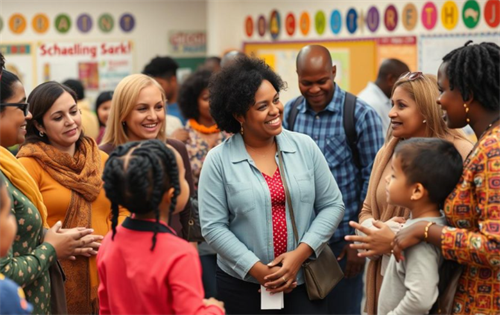
Building a Strong Relationship with Teachers
Establishing Trust and Openness
When communicating with teachers, foster parents should aim to build a relationship based on trust and mutual respect. Foster children often come from environments where trust has been broken, and as a result, they may struggle with authority figures or forming new attachments. The key is to create a partnership with the teacher, ensuring that both parties are aligned in supporting the child's needs.
Foster parents can start by providing teachers with key information about the child's emotional state, learning challenges, and any behavioral triggers. Teachers should be encouraged to ask questions and share their observations, allowing for an open dialogue. This collaborative approach helps foster a deeper understanding of the child's needs and creates a united front for the child's success.
James's Transformation
James, a 10-year-old boy, had frequent outbursts at school that were disrupting his learning and relationships. His foster mother, Lisa, arranged a meeting with his teacher to discuss his background of trauma and attachment issues. Lisa explained that James had experienced multiple disruptions in his home life, which made him anxious and more prone to emotional reactions in the classroom—particularly during transitions between activities.
The teacher was able to implement specific strategies: offering James extra time during transitions, maintaining predictable routines, and providing advance warning of schedule changes. This tailored approach helped James feel more in control and gradually led to fewer outbursts, illustrating the importance of teacher-parent collaboration grounded in trauma understanding.
What to Share and How to Share It
Providing Trauma-Informed Information Strategically
Foster parents do not need to disclose every detail of a child's history, but sharing relevant, trauma-informed information is essential. The goal is to help teachers understand the child's emotional and behavioral needs without overwhelming them with personal details or compromising the child's privacy.
Focus on providing enough context to enable the teacher to respond appropriately. Key points to discuss might include:
Functional Impact Information:
- The child's difficulty with transitions or changes in routine
- Emotional triggers that may lead to withdrawal, outbursts, or anxiety
- Specific strategies that have worked in the past for calming or engaging the child
- Behavioral patterns that may appear as defiance but are rooted in fear or past trauma
What to Avoid Sharing:
- Specific details of abuse or neglect incidents
- Information about biological family conflicts or legal proceedings
- Diagnostic labels unless directly relevant to classroom needs
- Anything the child has shared in confidence that isn't functionally necessary
Olivia's Gradual Integration
Olivia, a 9-year-old foster child, had a tendency to shut down in class, especially during group activities. Her foster parents explained that Olivia had lived in several different foster homes before her current placement and had trouble trusting new people—group activities felt threatening because she expected rejection.
Her teacher, armed with this functional information, provided Olivia with additional one-on-one time to ease her into group activities, rather than forcing participation. This subtle adjustment made a significant difference in Olivia's classroom experience, allowing her to slowly open up and participate more as trust developed.

Respecting Privacy and Maintaining Boundaries
The Importance of Confidentiality
While providing relevant background information is necessary, it's equally important to respect the child's privacy. Foster children may have experienced traumatic events that they are not ready to discuss, and it is crucial to maintain a balance between sharing essential information and respecting the child's emotional boundaries.
Foster parents should avoid disclosing excessive or sensitive details that might lead to stigmatization or unnecessary stress. The focus should be on the child's current needs and how best to support their success in school, rather than on the specifics of their past.
Real-Life Impact: Ethan's Protected Dignity
Ethan, a 12-year-old boy in foster care, had a history of severe emotional neglect. His foster parents provided his teacher with just enough information to explain his difficulty with trusting adults and his tendency to withdraw from group activities—functional impacts that affected his learning.
They made it clear that Ethan's past was private and did not need to be discussed in front of others or detailed in his student file beyond what was necessary. The teacher was respectful of this boundary and created a safe space for Ethan, allowing him to thrive without feeling labeled or stigmatized by his history.
Key principle: Share the "what" (how trauma manifests now) and "how to help" (strategies that work), not the "why" (specific traumatic events) unless absolutely necessary for safety.
Maintaining Ongoing Communication
Regular Check-Ins with Teachers
Ongoing communication is key to supporting a foster child's success in school. Foster parents should establish a routine of regular check-ins with teachers to ensure they remain informed about the child's progress, behavior, and any emerging issues. This could involve:
- Scheduled meetings (monthly or quarterly) to review progress
- Brief email updates regarding changes at home that might affect school behavior
- Shared communication logs for daily or weekly brief updates
- Agreed-upon signals for urgent concerns that need immediate attention
By maintaining an open line of communication, foster parents can address potential challenges early and work collaboratively with teachers to find solutions. Regular updates from both sides help ensure consistency between home and school environments, contributing to a stable and supportive experience for the child.
Noah's Consistent Support
For months, Noah's foster parents communicated regularly with his teacher regarding his struggles with focusing and following instructions. They shared what strategies were working at home, and the teacher adapted classroom approaches accordingly.
During one check-in, the teacher shared that Noah had shown improvement in his participation during class discussions. Noah's foster parents reinforced the teacher's approach at home, providing him with the same structure and support. This consistency between home and school helped Noah feel secure, leading to further progress both academically and emotionally.
Navigating Special Considerations
When to Involve School Counselors or Psychologists
Some foster children may need additional support beyond what classroom teachers can provide. Foster parents should consider requesting:
- 504 Plans or IEPs if the child has trauma-related learning disabilities or emotional disturbances affecting education
- School counseling services for ongoing emotional support
- Trauma-informed training for school staff if the child is struggling significantly
- Behavioral intervention plans developed collaboratively with school psychologists
Legal and Ethical Considerations
Foster parents must navigate complex privacy laws including:
- FERPA (Family Educational Rights and Privacy Act) regarding school records
- State foster care confidentiality regulations
- Court orders that may restrict information sharing
When in doubt, consult with the child's caseworker or agency about what information can legally and appropriately be shared with school staff.
Conclusion: Partnership for Stability
Effectively communicating a foster child's background to school teachers is essential to fostering a supportive, understanding school environment. By providing relevant, trauma-informed information and building a strong partnership with teachers, foster parents can help ensure their child's emotional and academic needs are met.
Collaboration between parents and school staff can create a stable foundation that allows foster children to thrive in their academic and social development, despite the challenges they may face. The goal is not perfect disclosure, but strategic communication that prioritizes the child's current needs, future success, and inherent dignity.
Medical Disclaimer
This article is for informational purposes only and should not be considered as legal, medical, or mental health advice. Always consult with qualified professionals—including caseworkers, attorneys, and therapists—for guidance specific to your foster care situation.
Resources for Foster Parents:
- National Child Traumatic Stress Network: www.nctsn.org
- Child Welfare Information Gateway: www.childwelfare.gov
- Foster Care and Education Partnership: www.fostercareandeducation.org
- Legal resources for foster parents: www.nationalfosterparentassociation.org
About the Author
Rebecca Lawson, LCSW, has over ten years of experience as both a trauma therapist and a foster parent, working with more than 50 foster children ranging from infants to teenagers across various placements. She provides therapeutic support to children affected by trauma, attachment disruptions, and other emotional challenges.
Drawing on her own experiences as a foster parent, Rebecca offers firsthand insights into the unique dynamics between foster parents, children, and school staff. Her expertise integrates practical caregiving strategies with trauma-informed therapeutic approaches to support the emotional and academic success of foster children.
Reviewed by: Sarah Chen, MD, FAAP
Review Date: March 2026
Next Review: January 2027
References
[1] National Child Traumatic Stress Network. (2023). Understanding traumatic stress in children involved in the child welfare system. https://www.nctsn.org/what-is-child-trauma
[2] U.S. Department of Health & Human Services. (2022). AFCARS report: Foster care statistics. https://www.acf.hhs.gov/cb/research-data-technology/statistics-research/afcars
[3] Casey Family Programs. (2021). Placement stability and caregiver well-being. https://www.casey.org/placement-stability-caregiver-well-being/
[4] Perry, B. D., & Szalavitz, M. (2017). The boy who was raised as a dog (Rev. ed.). Basic Books.
[5] American Academy of Pediatrics. (2021). Trauma-informed care in child welfare. https://pediatrics.aappublications.org/content/early/2021/04/26/peds.2021-052073
[6] Child Welfare Information Gateway. (2022). Supporting foster parents. https://www.childwelfare.gov/foster-care/
Related Articles
Building Security and Belonging for Foster Children: A Trauma-Informed Guide
Co-Parenting After Divorce: Protecting Your Child's Emotional Well-Being
How to Save Your Parent-Child Relationship from the Brink of Collapse
Recommend for you:

The Grandparent's Role in Modern Parenting: Balancing Experience with Boundaries for Optimal Child Development
Grandparents bring experience, patience, and time to child-rearing, which can complement the parents' goals for education and socialization.
Emotional Stability Is Not a Personality Trait: A Real-Life Parenting Guide for Single Mothers Under Pressure
Feeling overwhelmed as a single mother? This evidence-based parenting guide explores how emotional stability is built—not forced—through practical pauses, realistic boundaries, and repair, helping children grow secure even in imperfect conditions.
10 Key Questions and Psychological Preparation to Know Before Becoming a Foster Parent
Becoming a foster parent is not primarily a logistical decision. It is a psychological, relational, and ethical commitment that unfolds over time.
Raising Resilient Children in Single-Parent Families: Cultivating Independence, Responsibility, and Emotional Strength
This guide explores how single-parent families foster responsibility, independence, and resilience in children, drawing on real-life observations and expert insights.