
The Grandparent's Role in Modern Parenting: Balancing Experience with Boundaries for Optimal Child Development
Last Updated: January 25, 2026
Medically Reviewed by: Sarah Chen, MD, FAAP, Board-Certified Pediatrician
Written by: Dr. Emily Anderson, LCSW, Licensed Clinical Social Worker
Key Takeaways
1. Grandparents are increasingly involved in childcare due to parents' work commitments—involvement is valuable when structured thoughtfully
2. Differences in parenting philosophies across generations can lead to conflict but also offer opportunities for mutual learning
3. Emotional, social, and cognitive development can benefit from grandparents' involvement when roles are clearly defined
4. Grandparents' physical and mental well-being is crucial for sustainable engagement
5. Clear communication, defined roles, and respect for parenting boundaries optimize intergenerational collaboration
Understanding Grandparents' Role in Modern Child-Rearing
Grandparents bring experience, patience, and time to child-rearing, which can complement the parents' goals for education and socialization. In a modern context, grandparents' involvement can range from full-time caregiving to supportive roles in evenings and weekends.
A 2025 longitudinal study published in Frontiers in Psychology found that children with supportive grandparent relationships show stronger emotional resilience and long-term well-being .
Clinical Case Study
In one family I worked with, the grandparents lived with their son and daughter-in-law and were primarily responsible for evening routines. Initially, disagreements arose over homework and bedtime schedules. After establishing weekly family meetings, the grandparents followed the parents' educational guidance, providing reinforcement without overstepping.
Outcome: Over six months, the child's emotional regulation improved, and household tension decreased significantly.
The Dynamics of Intergenerational Parenting
1. Differences in Parenting Goals
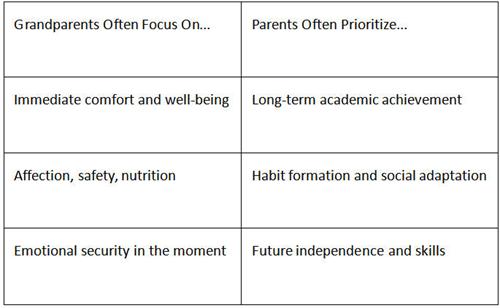
These differing objectives can create tension if not addressed openly—but they are not inherently incompatible.
2. Professional Insight: Combining Perspectives
Recognizing that different approaches are not inherently wrong allows families to blend strategies. Emotional support from grandparents paired with structured guidance from parents can foster well-rounded development.
3. The Risks of Over-Involvement
When grandparents take on excessive control, it can:
- Undermine parental authority
- Impede children's secure attachment to parents
- Contribute to physical strain and emotional fatigue among grandparents
Case Study: A retired grandmother caring full-time for her granddaughter reported frequent back pain and emotional exhaustion. Through coaching, she implemented a schedule with shared caregiving responsibilities, including her spouse, reducing burnout and improving her own quality of life.
This is why role clarity and division of responsibilities are essential.
Creating a Collaborative Parenting Environment
1. Communication as a Cornerstone
Open and respectful dialogue between parents and grandparents is critical:
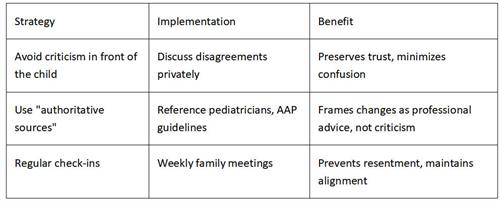
Example: Parents explained the importance of limiting screen time using guidelines from the American Academy of Pediatrics. Framed as professional advice rather than criticism, grandparents embraced the approach and supported its implementation consistently .
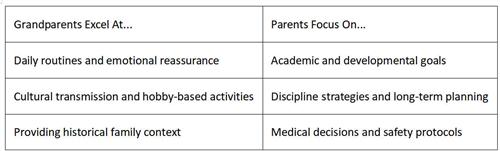
2. Role Definition
Establishing clear boundaries helps both generations understand their contributions:
3. Practical Strategies for Role Definition
A practical method is to create a shared calendar, designating times for:
- Academic support
- Play and enrichment activities
- Family bonding time
This not only prevents overlap but also empowers grandparents to contribute in meaningful ways without overwhelming themselves.
Leveraging Grandparents' Experience
Cognitive and Emotional Benefits
Grandparents often have a wealth of experiential knowledge. Life lessons, problem-solving skills, and emotional guidance can provide children with a stable foundation. Research shows that children raised with consistent grandparent involvement develop stronger social skills, creative thinking, and emotional resilience .
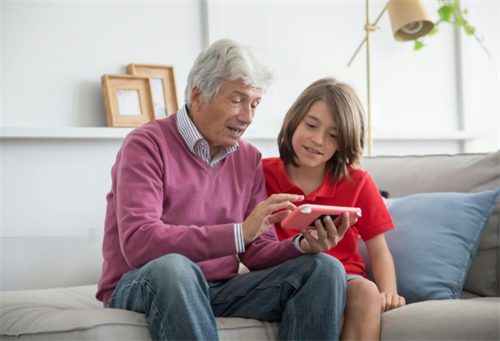
Case Study: One grandfather taught his grandson gardening and woodworking. Beyond developing motor skills, the child gained patience, curiosity, and a sense of accomplishment. These experiences cannot be replicated solely in a formal classroom setting.
Supporting Grandparents' Well-Being
1. Physical Health
Grandparents caring for children must balance their own health needs with caregiving duties:
- Regular exercise appropriate for their fitness level
- Sufficient rest and breaks from caregiving
- Routine medical care and medication management
Warning: Overextending themselves can lead to burnout, reducing their effectiveness and enjoyment in caregiving.
2. Mental Health
Grandparents may experience:
- Stress from conflicting expectations
- Anxiety about their changing role
- Feelings of being undervalued or dismissed
Self-Care Strategies:
- Engaging in peer support groups
- Individual therapy or counseling
- Maintaining hobbies and social connections outside the family
3. Supplementary Resources
The caregivers themselves should also pay attention to their own well-being:
- Local elderly service agencies
- Grandparent support groups
- Psychological counseling services
- Respite care options
Handling Conflicts Constructively
1. Understanding Conflict Origins
Disagreements frequently stem from:
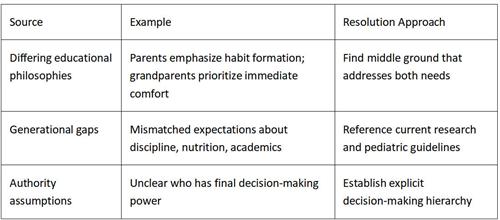
Case Study: In one urban household, conflicts emerged over homework routines and dietary habits. Grandparents and parents initially struggled to align their approaches, resulting in repeated disagreements. The family implemented structured communication sessions and referred to shared, evidence-based parenting manuals.
By openly discussing expectations and responsibilities, all parties gained a clearer understanding of each other's intentions, ultimately reducing conflicts and creating a more harmonious home environment.
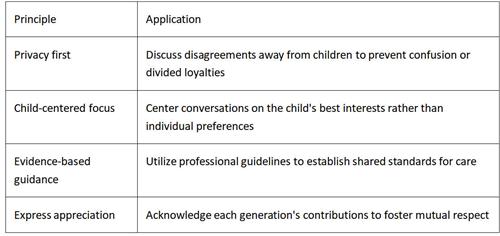
2. Conflict Resolution Tips
Practical Recommendations for Different Living Situations
1. Grandparents Living Together
When three generations share a household:
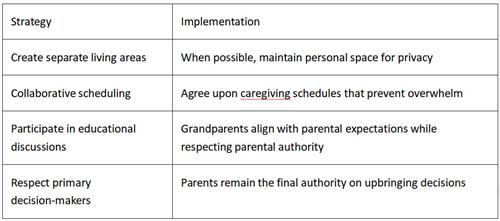
This approach fosters harmony and reinforces the child's sense of security.
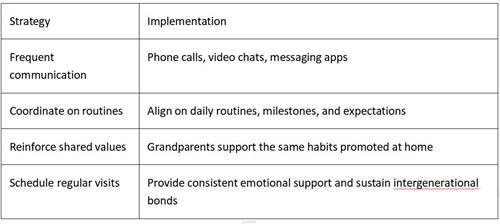
2. Grandparents Living Separately
Even when grandparents live apart, they can play a significant role:
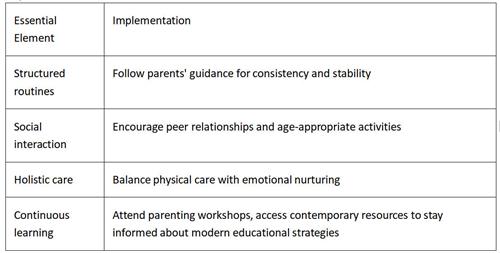
3. Grandparents as Primary Caregivers
In cases where grandparents are the primary caregivers:
Integrating Modern Knowledge with Experience
1. Continuous Learning
Grandparents should engage with contemporary parenting resources:
- Evidence-based parenting books
- Online courses from reputable institutions
- Community seminars and workshops
Embracing new educational strategies enhances their effectiveness and relevance.
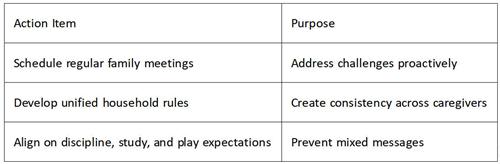
2. Encouraging Collaborative Problem-Solving
Conclusion: The Power of Intentional Collaboration
Grandparents' involvement in grandchildren's education can be a powerful force when approached with intentionality, respect, and collaboration.
The key is balance:
- Honoring the wisdom of experience while embracing new knowledge
- Defining roles clearly while remaining flexible
- Fostering open communication while respecting boundaries
When grandparents and parents work together as partners, children benefit from a secure, nurturing, and stimulating environment that spans generations.
Medical Disclaimer
This article is intended for general educational purposes. It is not a substitute for personalized medical or psychological advice. Families should consult licensed professionals for guidance specific to their situations, particularly when navigating high-conflict intergenerational dynamics or when grandparents have significant health concerns.
Resources for Support:
- Family Resilience Center: www.familyresilience.org
- AARP Grandparenting Resources: www.aarp.org/grandparenting
- Find a family therapist: locator.aamft.org
About the Author
Dr. Emily Anderson, LCSW, is a Licensed Clinical Social Worker with over 10 years of experience in child trauma therapy and has served as a foster mother for over a decade. She is the Director of the Family Resilience Center, a U.S.-based non-profit organization dedicated to supporting family systems and promoting healthy intergenerational relationships.
Dr. Anderson specializes in intergenerational parenting strategies, family collaboration, and the emotional development of children. She holds an active LCSW license and continues to engage in clinical work supporting multi-generational families.
Reviewed by: Sarah Chen, MD, FAAP
Review Date: March 2026
Next Review: January 2027
References
[1]American Academy of Pediatrics. (2023). Media and Young Minds: Guidelines for Screen Use. https://www.aap.org/en/patient-care/media-and-children
[2]Carlson, M., & McLanahan, S. (2021). Grandparental childcare and child outcomes: Evidence from the U.S. Journal of Marriage and Family, 83(2), 542–556. https://doi.org/10.1111/jomf.12713
[3]Bianchi, S., & Milkie, M. (2020). Family caregiving across generations: Patterns and consequences. Annual Review of Sociology, 46, 231–256. https://doi.org/10.1146/annurev-soc-121919-054823
[4]Baker, S., & Silverstein, M. (2022). Intergenerational support and well-being in families. Journal of Family Psychology, 36(4), 453–467. https://doi.org/10.1037/fam0000912
[5]Stephenson, J. M., & Carstensen, L. L. (2025). Grandparent support during childhood is associated with emotional wellbeing in emerging adulthood. Frontiers in Psychology, 16. https://doi.org/10.3389/fpsyg.2025.1680383
Related Articles
Co-Parenting After Divorce: Protecting Your Child's Emotional Well-Being
Helping Your Firstborn Adjust to a New Baby
Effective Praise in Parenting: Science-Backed Strategies
Recommend for you:

Co-Parenting After Divorce: Protecting Your Child's Emotional Well-Being
Divorce changes the structure of a family, but it does not end a child's need for both parents to feel emotionally available, predictable, and safe.
When You're Tired, Disconnected, or Running on Empty: A Guide for Parenting Through Low-Energy Moments
Feeling exhausted, disconnected, or unsure as a parent? This guide explores empathy, parental burnout, self-efficacy, and “good enough” parenting—offering practical, humane strategies grounded in real life and psychology.
Healing Through Connection: A Guide to Supporting Foster Children's Emotional Needs
This comprehensive guide explores the unique emotional needs of foster children and offers effective coping strategies. With real-life insights from experienced foster mothers and trauma therapists, it provides practical advice for foster parents.
Beyond Rewards and Punishments: An Evidence-Based Guide to Nurturing Children's Intrinsic Motivation
When a child's grades drop or interest in learning fades, most parents don't hesitate. They offer what feels helpful: extra screen time, a new toy, a trip, money.