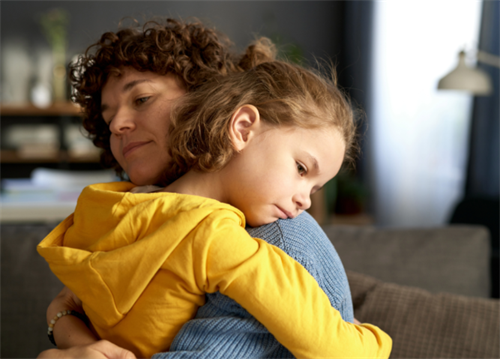
Building Security and Belonging for Foster Children: A Trauma-Informed Guide for Foster Parents
Last Updated: March 27th, 2026
Medically Reviewed by: Sarah Chen, MD, FAAP, Board-Certified Pediatrician
Written by: Victoria Hayes, LCSW, Licensed Clinical Social Worker, Foster Mother
Key Takeaways
1. Foster children often enter care with trauma affecting their sense of safety, trust, and emotional regulation
2. Consistency and predictable routines are foundational to helping foster children feel secure and valued
3. Secure attachments with caregivers—built through patience, empathy, and responsiveness—promote emotional healing
4. Emotional validation helps children process feelings and build resilience after neglect or trauma
5. Clear, compassionate boundaries provide structure while avoiding triggers of abandonment or rejection
6. Healing is gradual and requires professional support, patience, and trauma-informed caregiving approaches
Introduction: The Foster Parent's Vital Role
Foster children often face daunting challenges as they adjust to a new family environment. Their emotional scars, rooted in trauma, neglect, or the loss of their biological families, can make the process of developing trust and a sense of security difficult. These children may enter foster care with feelings of fear, rejection, and confusion.
As foster parents, you play an instrumental role in helping them build a sense of safety, stability, and belonging. This work is challenging but immensely rewarding—watching a child heal and thrive is immeasurable.
Understanding the Impact of Trauma on Foster Children
Foster children often come from tumultuous backgrounds marked by physical, emotional, or psychological trauma. The disruption of early attachment bonds, neglect, and abuse can cause children to struggle with emotional regulation, trust, and a sense of safety.
This history may lead to behaviors that can be misunderstood by caregivers, such as:
- Withdrawal or avoidance
- Aggression or acting out
- Anxiety or hypervigilance
- Clinginess or desperate attachment-seeking
However, these behaviors often stem from a child's deep-seated fear of rejection or abandonment, not defiance or manipulation.
The Neuroscience of Trauma
Trauma theory suggests that adverse experiences in early childhood can shape the development of a child's brain and emotional responses. According to Dr. Bruce Perry (2022), trauma can affect how children respond to stress and process emotions, making it harder for them to feel safe in new relationships .
Children who have experienced trauma may find it difficult to trust caregivers, especially if they've been let down by previous ones.
Clinical Case Study: Josh's Journey
One of my former foster children, a young boy named Josh, arrived at our home after living in multiple foster placements. He would often hide in his room, avoiding eye contact and never initiating conversation.
It wasn't until he began receiving consistent care—where I maintained clear, calm routines and responded to his emotional needs without forcing connection—that he slowly began to open up. This process took months, but by consistently meeting his emotional needs, we were able to begin building a relationship based on trust and understanding.

The Role of Consistency in Building Trust
Predictability and routine are central to helping foster children feel secure. Children with trauma histories often feel anxious about the unknown, leading to feelings of helplessness. They may fear that the consistency they long for will be disrupted, just as their previous homes may have been unstable.
By providing a stable, structured environment, foster parents can offer children the reassurance that they are safe and cared for, regardless of past experiences.
Why Routines Matter
Routines—such as set meal times, regular bedtimes, and predictable family activities—send the message that the child can rely on their environment. Research shows that consistency can help foster children regulate their emotions, reduce anxiety, and increase feelings of security .
One important aspect of consistency is also being emotionally available, particularly when the child is upset or struggling.
Clinical Case Study: Emily's Transformation
When my foster daughter Emily came to us, she was accustomed to an erratic schedule. Some days she would go without a proper meal, and on others, bedtime was at the whim of whoever was caring for her. This unpredictability caused her great anxiety, and she often became aggressive when she felt that she couldn't control her environment.
By establishing a routine—regular meal times, a stable bedtime, and predictable daily rhythms—we provided her with the stability she desperately needed. Over time, Emily learned that she could rely on these routines and that they provided her with a sense of security. Her aggression decreased as her trust in the environment grew.
The Power of Connection: Building Secure Attachments
Attachment is a crucial aspect of emotional development. Foster children, especially those who have experienced early trauma, may struggle to form secure attachments. This can lead them to feel disconnected from their caregivers or even to push away affection in an attempt to protect themselves from future loss.
However, the ability to form secure attachments is essential for a child's emotional and psychological well-being.
Foundations of Secure Attachment
A secure attachment is built on the foundation of trust, empathy, and responsiveness. As a foster parent, you can nurture this connection by being available, responsive, and emotionally supportive without forcing intimacy.
Dr. Daniel Siegel and Tina Payne Bryson emphasize that when caregivers remain consistent and empathetic in their responses, children feel more confident that their emotional needs will be met .
Clinical Case Study: Carlos's Boundaries
My experience with Carlos, a 9-year-old boy who was wary of physical touch, highlights the importance of patience in attachment-building. Carlos had been through multiple placements, and his attachment system was severely disrupted. Initially, he would resist any form of affection.
However, over time, I was able to build a secure attachment by respecting his boundaries and providing emotional support without force. I made myself available without demanding reciprocity. Gradually, Carlos began seeking affection on his terms—a clear sign that he was starting to trust that he was safe.
Key lesson: Attachment cannot be rushed. It must be built on the child's timeline, not the caregiver's.
Emotional Validation: A Critical Tool for Healing
It's not uncommon for foster children to feel that their emotions are invalid or ignored, especially if they have experienced neglect. This can manifest in emotional dysregulation, where children struggle to process their feelings and act out in destructive ways.
One of the most powerful tools in helping foster children heal is emotional validation. This involves recognizing and accepting the child's emotional experiences without judgment, helping them understand that their feelings are normal and that it's okay to feel upset or scared.
The Research on Validation
According to research by Perry and Szalavitz (2022), emotional validation is one of the most effective ways to help children regulate their emotions and build resilience.
By acknowledging their feelings and helping them label emotions (e.g., "I can see you're frustrated"), caregivers can help children process their emotions in a healthy manner.
Clinical Case Study: Liam's Anger
When my foster son Liam, a 7-year-old boy, acted out at school, he was often labeled as a troublemaker. However, after observing him carefully, I realized his behavior was a response to unresolved grief and anger over being separated from his biological family.
Instead of punishing him, I helped him label his emotions: "It seems like you're really angry about missing your mom. That makes sense." I taught him coping strategies, such as deep breathing and journaling. This approach significantly reduced his anxiety and improved his emotional regulation. His school behavior improved not through punishment, but through being understood.
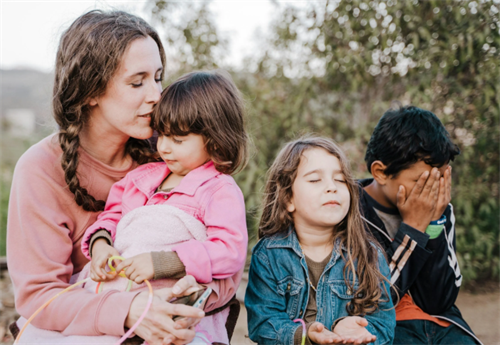
Setting Boundaries with Compassion
Boundaries are essential in every healthy relationship, including those between foster children and caregivers. For foster children, clear boundaries provide structure and help them understand expectations, which is particularly important when they've experienced inconsistency in their past environments.
However, it's essential that these boundaries are set with compassion. Rigid, harsh boundaries may feel punishing and could trigger feelings of abandonment or rejection. Instead, boundaries should be consistent but also flexible, allowing children to feel safe and secure while still understanding limits.
Trauma-Sensitive Boundary Setting
When addressing challenging behaviors that stem from trauma:
- Explain the "why" behind boundaries when appropriate
- Stay calm during enforcement—emotional reactions can trigger past trauma
- Offer choices within boundaries when possible to provide sense of control
- Repair quickly if boundaries were enforced harshly
Clinical Case Study: Alex's Testing
When fostering a teenager, Alex, who had been through extensive trauma, I had to set clear boundaries regarding curfew and phone usage. Initially, Alex tested the limits repeatedly—a common trauma response testing whether this placement would also fail him.
By calmly and consistently reinforcing these boundaries without emotional escalation, I was able to show him that he could trust in our structure. This helped build his sense of safety within the family unit, even as he struggled with his trust issues. Over time, testing decreased as trust increased.
Supporting Long-Term Emotional Healing
Foster children often face deep emotional pain stemming from their past trauma. Emotional healing is a gradual process that requires time, support, and patience. It's essential for foster parents to support children in expressing and processing their emotions.
Professional Support
This support may involve:
- Engaging with a therapist or counselor who specializes in trauma
- Trauma-focused cognitive behavioral therapy (TF-CBT) for children with significant trauma histories
- Attachment-based family therapy to strengthen caregiver-child bonds
Creative Outlets
Encourage children to explore their emotions through:
- Drawing or art therapy
- Journaling or creative writing
- Music or movement
- Play therapy for younger children
Children often need help understanding and naming their emotions before they can process them fully.
Biological Family Connections
When safe and appropriate, supporting connections with biological family can be crucial for identity and grief processing. This might include:
- Supervised visits
- Letter writing
- Creating life books that honor their history
- Therapeutic support for grief and loss
Self-Care for Foster Parents: You Cannot Pour From an Empty Cup
Foster parenting is emotionally demanding work. To provide the consistency and emotional availability foster children need, caregivers must attend to their own well-being.
Essential Self-Care Practices
- Regular supervision or consultation with a trauma-informed therapist
- Respite care to prevent burnout
- Peer support from other foster parents who understand the unique challenges
- Clear boundaries with your agency about your capacity and limits
- Personal therapy to process secondary trauma and emotional toll
Research shows that foster parents with strong support systems are more likely to maintain placements and provide higher quality care.
Conclusion: The Journey of Healing
Helping foster children build a sense of security and belonging in their new family is a challenging but immensely rewarding process. By providing consistency, building trust through patience, offering emotional validation, setting compassionate boundaries, and supporting professional treatment, foster parents can create a nurturing environment that promotes both emotional and psychological growth.
The journey may be long, and progress may be nonlinear. There will be setbacks. But the rewards—watching a child heal, trust, and eventually thrive—are immeasurable.
You are not just providing a home. You are providing a corrective emotional experience that can reshape a child's entire trajectory.
Medical Disclaimer
This article is for informational purposes only and should not be used as a substitute for professional therapy or medical advice. Foster children with trauma histories require individualized assessment and treatment from licensed mental health professionals.
Always consult a licensed therapist or healthcare provider for guidance tailored to your specific situation. If a child exhibits signs of severe emotional distress, self-harm, or dangerous behavior, seek immediate professional intervention.
Resources for Foster Parents:
- Child Welfare Information Gateway: www.childwelfare.gov
- National Foster Parent Association: www.nfpaonline.org
- Find a trauma-informed therapist: www.traumatherapy.org
- Foster Care Hotline: 1-800-394-3366
About the Author
Victoria Hayes, LCSW, is a seasoned trauma therapist and foster mother with over ten years of experience. She specializes in child trauma, attachment theory, and emotional healing. With a Master's degree in Social Work and her LCSW credential, Victoria provides therapy for children in foster care, supports foster parents, and creates trauma-sensitive environments that foster emotional growth and healing.
She is dedicated to empowering foster parents with practical, research-based strategies to nurture the emotional well-being of foster children, offering invaluable insights into trauma-informed caregiving and helping children build secure attachments with their caregivers.
Reviewed by: Sarah Chen, MD, FAAP
Review Date: March2026
Next Review: January 2027
References
[1] Siegel, D. J., & Bryson, T. P. (2021). The Whole-Brain Child: 12 Revolutionary Strategies to Nurture Your Child's Developing Mind. Delacorte Press. https://www.randomhouse.com
[2] Siegel, D. J., & Bryson, T. P. (2021). The Whole-Brain Child: 12 Revolutionary Strategies to Nurture Your Child's Developing Mind. Delacorte Press. https://www.randomhouse.com
[3] Perry, B. D., & Szalavitz, M. (2022). The Boy Who Was Raised as a Dog: And Other Stories from a Child Psychiatrist's Notebook. Basic Books. https://www.basicbooks.com
Related Articles
Co-Parenting After Divorce: Protecting Your Child's Emotional Well-Being
How to Save Your Parent-Child Relationship from the Brink of Collapse
The Grandparent's Role in Modern Parenting
Recommend for you:
The Grandparent's Role in Modern Parenting: Balancing Experience with Boundaries for Optimal Child Development
Grandparents bring experience, patience, and time to child-rearing, which can complement the parents' goals for education and socialization.
How Foster Parents Can Partner with Teachers: Communicating Your Child's Needs While Protecting Their Privacy
An essential guide for foster parents to foster effective communication with school staff, ensuring the academic and emotional success of foster children.
When Parents Disagree: A Practical Guide to Unified Parenting
This evidence-based guide explains how couples can communicate, compromise, and foster a nurturing, adaptive environment that strengthens both children and the parental relationship.
Healing Through Connection: A Guide to Supporting Foster Children's Emotional Needs
This comprehensive guide explores the unique emotional needs of foster children and offers effective coping strategies. With real-life insights from experienced foster mothers and trauma therapists, it provides practical advice for foster parents.