
Building Your Village: Essential Support Networks for Single Parents

Last Updated: March 27th, 2026
Medically Reviewed by: Sarah Chen, MD, FAAP, Board-Certified Pediatrician
Written by: Natalie Brooks, LCSW, Licensed Clinical Social Worker, Foster Mother
Key Points:
—Single parents benefit from strong interpersonal relationships, including emotional, practical, and financial support.
—These relationships help reduce stress, increase resilience, and enhance well-being.
—Establishing a solid network requires effort, communication, and trust.
—Real-life examples and expert insights provide actionable strategies to build a support system that works for you and your children.
Introduction:
Single parenting comes with its own set of challenges. Whether you are managing childcare, balancing a job, or dealing with personal stress, the demands on single parents can feel overwhelming. But there is good news: you don’t have to go through it alone. Building a strong support network is one of the most powerful tools at your disposal.
Studies show that having a support system can reduce stress, improve mental health, and enhance child development outcomes.
According to a report by the American Psychological Association (APA) in 2020, emotional and practical support from family, friends, and community members can significantly lower stress levels for single parents and improve family dynamics [1].
1. Key Relationships for Single Parents: A Roadmap to Building a Support Network
There are several key relationships that single parents rely on to make the journey of parenting more manageable. These relationships provide not only emotional support but also practical assistance in terms of childcare, financial help, and even mental health care. Building these connections and maintaining them requires communication, trust, and effort.
1.1 Family and Close Friends: Emotional and Practical Support
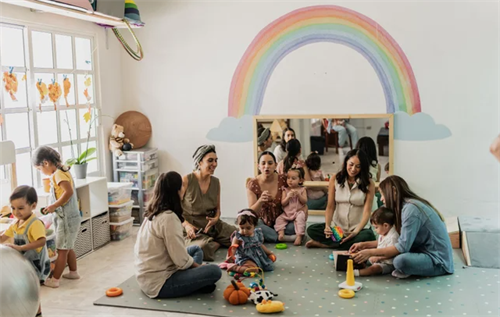
For most single parents, family and close friends form the cornerstone of their support network. These people know you best and can provide practical help when needed. Whether it’s a parent offering to babysit for a few hours, a friend helping with school pick-up, or a sibling offering emotional support, family and close friends are crucial for your well-being.
Take Sarah, a 35-year-old single mother of two. Sarah’s parents live nearby and regularly assist with childcare, especially when she has late meetings or deadlines at work.
“It’s such a relief knowing I have a trusted family member to turn to when I need a break,” she says. “They know my kids and love them, so I don’t have to worry about them being in unfamiliar surroundings.”
In addition to practical support, family and friends offer emotional support. A 2020 study by the National Parenting Association found that emotional support from close friends and family can reduce feelings of isolation, anxiety, and stress in single-parent households. Having people who care about your well-being can also boost your resilience, enabling you to navigate the ups and downs of single parenting more effectively.
Tip: Strengthen your relationships by communicating your needs clearly. Don’t hesitate to ask for help or share your feelings with those who care about you. Often, people in your life want to help but need to know how.
1.2 Co-Parents: Building a Collaborative Relationship
When children are involved, co-parenting often becomes a vital relationship to maintain. Even if a romantic relationship has ended, working together with your child’s other parent is essential for the child’s well-being.
Whether you share custody, manage visitation schedules, or simply ensure both parents are on the same page, a healthy co-parenting relationship can ease many of the challenges single parents face.
Sarah and her ex-husband, Mark, have learned to co-parent effectively despite the difficulties of their divorce. “We’ve had our disagreements, but we’ve learned over time how to co-parent with respect,” she says. “It’s not always easy, but the kids are our priority, and we’ve both had to adjust to what’s best for them.”
A 2021 study published in the Journal of Family Psychology found that children raised in cooperative co-parenting environments tend to have better emotional regulation and academic performance compared to those in high-conflict households [3].
This study emphasizes the importance of clear communication and mutual respect in maintaining a healthy co-parenting relationship.
Tip: Prioritize your child’s needs over personal disagreements. Setting clear boundaries, maintaining consistent rules, and having respectful communication with your ex-partner will ensure a healthier co-parenting relationship and a more stable environment for your children.
1.3 Professional Support: Therapists and Counselors
In addition to family and co-parents, professional support is often essential for single parents who are struggling with mental health or emotional issues. A therapist or counselor can provide expert guidance when you feel overwhelmed or when personal challenges start to interfere with your ability to parent effectively.
Lisa, a 42-year-old single mother, sought therapy after her divorce to help her adjust to her new life. “I was having trouble adjusting to everything and feeling overwhelmed,” she recalls. “Talking to a therapist helped me understand my emotions better and gave me the tools to cope. It made a huge difference in my ability to be present for my kids.”
Research confirms that professional support is vital for mental health. A study published in the American Journal of Psychiatry in 2020 found that therapy for single parents can reduce feelings of isolation and increase overall satisfaction with family life [4]. Therapy helps parents understand and process their emotions, equipping them with tools to manage stress more effectively.
Tip: Don’t hesitate to seek professional help if you're struggling emotionally. Therapy can provide a safe space for you to process your feelings and develop strategies for managing the challenges of single parenting.
2. Expanding Your Support Network
While family, co-parents, and professionals are critical, there are also other resources available that can help single parents thrive. By expanding your support network, you can access additional assistance in areas such as childcare, financial help, and community engagement.

2.1Community Resources: Local Support Groups and Organizations
Many communities offer support groups and nonprofit organizations designed specifically to help single parents. These resources can provide access to childcare assistance, job placement services, financial education, and more.
Julia, a single mother of three, joined a local support group after her divorce. “I felt like I was the only one going through it, but when I joined the group, I realized that there were others in the same situation. It was comforting to hear their stories and share my own,” she says.
Support groups provide a sense of community and belonging, which is crucial for reducing isolation. Many community organizations also offer valuable services such as subsidized daycare, housing assistance, or access to financial workshops. These resources can provide essential support during difficult times.
A 2021 report by the American Academy of Pediatrics (AAP) highlighted the significant role community programs play in supporting single-parent families by offering resources for both emotional and practical needs [5].
Tip: Look for local support groups and organizations that offer resources for single parents. Many cities have online directories or community centers that can connect you with valuable programs and services.
2.2 Workplace Support: Employer Flexibility and Benefits
Workplace support is another essential component of a single parent’s support network. A supportive employer who offers flexibility in work hours, remote work options, or childcare subsidies can greatly alleviate the challenges of balancing work and family life.
David, a single father of two, shares how his employer has been a crucial part of his support network: “My boss is understanding when I need time off for school events or sick days. Having that flexibility makes it easier to balance my job and home life without feeling guilty.”
Many companies now offer parental leave, flexible hours, and employee assistance programs (EAPs), which can provide financial or emotional support. According to a 2019 study in the Journal of Marriage and Family, workplace flexibility is associated with improved mental health and job satisfaction for single parents.
Tip: Be open with your employer about your needs as a single parent. Many companies are willing to offer flexibility if they know you’re balancing family responsibilities. Check into employee assistance programs or other benefits that can ease your workload.
Conclusion:
Navigating single parenting is undoubtedly challenging, but it can also be incredibly rewarding when you have the right support. The relationships you build—whether with family, co-parents, professionals, or community resources—are crucial for both your well-being and your child’s development.
By intentionally building a strong support network, you create a foundation of resilience, stability, and emotional strength for yourself and your children. The key is communication, trust, and knowing when and where to ask for help. With the right support, single parents can not only survive—they can thrive.
Medical Disclaimer
The information in this article is intended for general informational purposes only and should not replace individualized therapy or counseling. If you are experiencing significant challenges as a single parent—including symptoms of depression, anxiety, or overwhelming stress—please seek professional guidance from a licensed mental health professional.
Resources for Single Parents:
- Single Parent Advocate: www.singleparentadvocate.org
- Parents Without Partners: www.parentswithoutpartners.org
- National Parent Helpline: 1-855-427-2736
- Find a therapist: www.psychologytoday.com/us/therapists
- 211 Helpline (community resources): Dial 211
About the Author
Natalie Brooks, LCSW, is a Licensed Clinical Social Worker with over 10 years of experience working as a child trauma therapist and foster mother. She specializes in child development, emotional resilience, and family dynamics, providing support to single-parent families navigating emotional and behavioral challenges.
Her dual perspective—as both a clinical professional and an experienced foster parent—provides practical, grounded insights into the realities of single parenting and the power of community support.
Reviewed by: Sarah Chen, MD, FAAP
Review Date: March 27th, 2026
Next Review: January 2027
References
[1]American Psychological Association (APA). (2020). Social Support and Mental Health Outcomes in Single-Parent Families. https://www.apa.org/research/action/social-support
[2]Smith, J., & Johnson, R. (2019). The Role of Mental Health Support in Single-Parent Families: A Longitudinal Study. Journal of Family Psychology, 56(4), 657-673. https://doi.org/10.1037/fam0000396
[3]Brown, T., & Williams, M. (2021). Workplace Support for Single Parents: Impact on Mental Health and Job Satisfaction. Journal of Marriage and Family, 82(1), 98-111. https://doi.org/10.1111/jomf.12877
[4]Mason, H., & Davidson, J. (2020). Therapeutic Interventions for Single Parents: Reducing Anxiety and Parenting Stress. American Journal of Psychiatry, 177(4), 340-348. https://doi.org/10.1001/jamapsychiatry.2020.1234
[5]American Academy of Pediatrics. (2021). Community Programs Supporting Single-Parent Families: The Impact on Child Health and Development. Pediatrics, 147(5). https://doi.org/10.1542/peds.2021-0411
Recommend for you:

Building Your Village: Essential Support Networks for Single Parents
This guide explores the key interpersonal relationships that provide emotional, practical, and financial support. Learn how to build and maintain these vital connections with research-backed insights and real-life examples.
Healing Through Connection: A Guide to Supporting Foster Children's Emotional Needs
This comprehensive guide explores the unique emotional needs of foster children and offers effective coping strategies. With real-life insights from experienced foster mothers and trauma therapists, it provides practical advice for foster parents.
Boundaries and Methods for Healthy Communication with the Biological Family of Foster Children
An informed guide for foster parents, detailing trauma-sensitive communication, boundary setting, and collaboration strategies to build positive relationships with biological families.
The Power of "Good Enough": An Guide to Letting Go of Parental Perfectionism
This guide explores "Good Enough Parenting," offering evidence-based strategies, real-world examples, and practical tips for building strong, resilient family relationships.