
Couples as Co-Parents: Practical Methods for Mutual Support and Self-Care
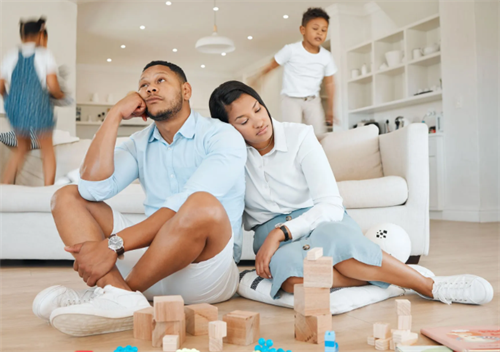
Medically reviewed by Dr. Sarah Chen, MD, Board-Certified Child & Adolescent Psychiatry | Last updated: March 27, 2026 | Published: December 20, 2025
Key Points:
—Understanding the dynamics of co-parenting as a couple.
—The role of communication in mutual support.
—Practical self-care strategies for co-parents.
—How to manage disagreements and conflicts constructively.
—The impact of co-parenting on the emotional well-being of children.
—Importance of maintaining a partnership outside of parenting responsibilities.
—Building a balanced routine that supports both partners.
Introduction:
Co-parenting in a partnership can feel like a balancing act. Raising children is one of the most fulfilling yet challenging responsibilities a couple can take on.
Parenting together offers an opportunity to build a deeper connection, but it also introduces pressure points that can test even the strongest relationships.
Effective co-parenting is not just about managing household chores or dividing the tasks of caring for a child. It’s about navigating the emotional, psychological, and logistical complexities of raising children while also ensuring that both partners maintain a healthy relationship.
When handled with mutual respect and open communication, co-parenting can lead to a stronger bond between parents and children alike.
1. Understanding Co-Parenting Dynamics
The foundation of successful co-parenting lies in a strong partnership. It’s easy for couples to get caught up in the daily routines of parenting, but recognizing and respecting each other’s contributions is essential. Co-parenting isn’t just about dividing the chores; it’s about sharing responsibility for the emotional and developmental needs of your children.
The role of both parents in a child’s life is indispensable. Research consistently shows that when both parents are actively involved, children benefit from more balanced emotional and social development.
However, the real challenge comes in navigating how to work together while respecting the unique strengths and needs of each parent.
Sarah and Mike, parents to a 4-year-old, found their relationship becoming strained as they each took on different aspects of parenting. Sarah often took on the emotional tasks—helping their child through emotional struggles, while Mike focused on physical tasks like meal preparation and house chores.
This division of labor, although functional on the surface, led to resentment as Sarah felt overwhelmed by the emotional burden, while Mike felt disconnected from the emotional needs of their child.
After an open conversation about their individual needs, they redefined their roles and agreed to split both the emotional and physical tasks equally, ensuring each parent felt equally invested and supported.
Key Insight: To successfully navigate co-parenting, couples need to regularly discuss their roles and responsibilities. Shared emotional labor is just as critical as shared physical tasks. Open communication is the key to achieving this balance.
2. The Power of Communication: Building Mutual Support
Effective communication is the cornerstone of any successful partnership, and this is especially true in co-parenting. When parents can communicate openly, they reduce misunderstandings and create an environment of mutual respect. Co-parents need to be active listeners, acknowledging each other’s perspectives without defensiveness.

2.1 Practical Communication Strategies for Co-Parents:
-Listen Actively: When one parent expresses a concern, the other should listen attentively without interrupting. Active listening demonstrates respect and understanding, which helps avoid miscommunication.
-Schedule Regular Check-ins: Parenting involves constant decision-making, so it’s important to set aside time to talk about the children’s needs, plans, or challenges without distractions.
-Use "I" Statements: Instead of saying, "You never help with the kids," try saying, "I feel overwhelmed when I manage the kids on my own." This shifts the conversation from blame to personal feelings, reducing defensiveness.
-Respect Each Other’s Parenting Styles: Every parent brings their unique strengths and weaknesses. Understanding and respecting differences in parenting styles helps avoid power struggles.
Lena and Amir, parents of two young children, realized that their communication was often dominated by discussions about their children's behavior. They were struggling with consistent discipline strategies, which led to frustration. Instead of only talking about problems as they arose, they set aside time once a week to have a parenting meeting, where they would discuss their children’s behavior and agree on strategies. This helped reduce conflict and enabled them to tackle parenting challenges as a united front.
-Key Insight: Co-parenting isn’t just about parenting strategies but about how you communicate. Regular, open conversations help partners stay aligned and reduce stress.
3. Self-Care: Prioritizing Your Well-Being
Parenting is demanding, and it’s easy for couples to neglect their own self-care needs while focusing on the children. However, taking care of yourself and your relationship is essential for maintaining the energy and patience needed for successful co-parenting. When parents prioritize their well-being, they’re better equipped to handle the stress of raising children while nurturing their partnership.
3.1 Self-Care Strategies for Co-Parents:
-Make Time for Yourself: Schedule regular time for personal activities—whether it’s reading a book, exercising, or simply having some quiet time. Self-care isn’t selfish; it’s necessary.
-Connect with Your Partner: Regular date nights, or even short moments of connection like sharing a meal or taking a walk together, are vital for maintaining the emotional bond between parents.
-Seek Support When Needed:Parenting can be overwhelming, and reaching out for help—whether from a therapist, friends, or family—can provide much-needed emotional relief.
Carlos and Jennifer, parents of three young children, felt their relationship was becoming strained due to a lack of time for each other. They decided to set aside Friday nights as a “date night,” whether it was having a meal out or just relaxing together at home after the kids went to bed. This simple step helped them reconnect emotionally, improving their relationship and their ability to co-parent effectively.
-Key Insight: Self-care isn’t just about individual activities—it’s about nourishing your relationship too. Regular moments of connection foster better emotional well-being for both partners.

4. Managing Disagreements: Constructive Conflict Resolution
Disagreements between co-parents are inevitable. Differences in parenting philosophies or decision-making processes can lead to tension. However, how couples manage conflict is crucial for maintaining a harmonious environment for both the parents and children.
4.1Conflict Resolution Strategies for Co-Parents:
-Focus on the Issue, Not the Person: Avoid attacking each other personally. Instead, focus on resolving the specific issue at hand, whether it’s a disagreement about bedtime or screen time.
-Stay Calm: When tempers flare, take a break and resume the conversation when both parties are calmer. Keeping your cool helps avoid escalation and fosters respect.
-Seek Outside Support: Sometimes, professional support—like couples counseling or parenting classes—can provide helpful strategies for resolving conflicts.
Zoe and Tom often found themselves arguing over how to discipline their children. The conflict would escalate quickly, with both partners becoming defensive. They decided to attend a parenting workshop together, where they learned techniques for setting consistent rules and calmly discussing disagreements. This helped reduce tension and allowed them to present a united front to their children.
Key Insight: Conflict doesn’t need to threaten the relationship. Focused, calm conversations can turn disagreements into opportunities for growth.
5. The Impact of Co-Parenting on Children’s Emotional Well-Being
Research consistently shows that children benefit from having both parents actively involved in their lives. When parents are cooperative and aligned in their co-parenting approach, children feel more secure, develop healthier emotional regulation, and experience less stress.
Studies have shown that children raised in stable, cooperative co-parenting environments have better emotional well-being and are less likely to experience anxiety or behavioral problems (Amato & Keith, 2020).
6. Maintaining a Partnership Beyond Parenting
Raising children can often consume all aspects of a relationship, but it’s crucial for couples to nurture their partnership outside of the parenting role. A strong partnership forms the foundation for successful co-parenting.
6.1 Strategies for Maintaining a Strong Partnership:
-Regular Emotional Check-ins: Take the time to check in with each other emotionally. This helps partners stay in tune with each other’s needs.
-Support Each Other’s Interests: Encourage each other to pursue hobbies or activities outside of parenting. This helps both partners retain a sense of individuality.
-Celebrate Milestones Together: Celebrate both small and big moments in your relationship to maintain emotional connection.
Lara and Greg, parents of two children, found that their relationship was becoming increasingly focused on the kids. They decided to implement a weekly check-in to discuss their individual needs and celebrate milestones, whether big or small. This simple but consistent effort helped them stay connected and strengthened their partnership.
-Key Insight: A healthy relationship requires attention and care outside of parenting responsibilities. Regular check-ins and celebrations nurture the connection that supports effective co-parenting.
Conclusion:
Co-parenting, while challenging, can also be a deeply fulfilling experience when approached with patience, mutual respect, and open communication. By supporting each other through the highs and lows of parenting, couples can strengthen their relationship while providing a stable, loving environment for their children.
About the Author
Ethan Caldwell, LCSW, is a licensed clinical social worker specializing in couples therapy, co-parenting dynamics, and family systems. He holds an MSW from [University Name] with advanced training in couple interventions, parental alliance assessment, and family mediation.
Clinical experience: Extensive hands-on experience supporting families through co-parenting transitions, couple conflict, and parenting stress. He has worked in outpatient mental health, family agencies, and private practice, providing couples therapy, parent coaching, and clinical consultation.
Current Practice:
Oakbridge Relationship Institute, where he provides couples therapy, leads co-parenting workshops, and trains professionals in evidence-based couple and family interventions.
Publications:
- Harris, J. (2024). Co-Parenting After Separation: Evidence-Based Strategies for Reducing Conflict and Improving Child Outcomes. Journal of Family Psychology
- Harris, J., & Patel, S. (2023). Integrating Couple Therapy Models in High-Conflict Relationships. Family Process
- Harris, J. (2022). From Partners to Parents: Clinical Approaches to Strengthening Co-Parenting Alliances. In Handbook of Couple and Family Interventions, Springer
Contact:
Email: [email protected]
Website: www.oakbridgeinstitute.org/contact
Medical Review
Reviewed by Dr. Sarah Chen, MD
Dr. Sarah Chen is a board-certified child and adolescent psychiatrist specializing in family systems, couple dynamics, and parenting interventions. She received her MD from Johns Hopkins University School of Medicine and completed her residency at Massachusetts General Hospital. Dr. Chen is an assistant professor of psychiatry at Boston University School of Medicine and has published 30+ peer-reviewed articles on family mental health, couple interventions, and child development.
Review date: March 15, 2026
Next review date: March 2027
Editorial Standards & Methodology
This article was developed using the following evidence-based approach:
- Literature review: We searched PubMed, PsycINFO, and Google Scholar for peer-reviewed studies published 2019-2025 on co-parenting, couple interventions, parental alliance, and family dynamics
- Theoretical framework: Based on family systems theory, attachment theory, and the parental alliance model
- Clinical integration: Recommendations are informed by the author's clinical practice with couples and families
- Expert validation: Content was reviewed by a board-certified child and adolescent psychiatrist
- Citation standards: All statistics and research claims include citations with links to original sources where available
- Update schedule: This article is reviewed and updated annually or when significant new research emerges
Correction policy: If you identify an error or outdated information, please contact [editorial email].
References
[1][Self-help interventions for parenting couples experiencing conflict or relationship distress: study protocol]. (2024, February 26). BMC Trials. https://pmc.ncbi.nlm.nih.gov/articles/PMC12888647/
[2][How to Recognize It in Your Partner and Offer Real Support]. (2026, March 24). Phoenix Health. https://www.joinphoenixhealth.com/resourcecenter/partner-support-parental-burnout/
[3][How To Cope With Parental Burnout as a Couple]. (2025, June 27). Focus on the Family. https://www.focusonthefamily.com/marriage/parenting-stress-in-marriage-how-to-cope-as-a-couple/
[4][study protocol for a randomized controlled trial]. (2026, January 13). Springer Nature. https://link.springer.com/article/10.1186/s13063-026-09428-6
[5][Secondary benefits of a brief couples intervention on ...]. PMC. https://pmc.ncbi.nlm.nih.gov/articles/PMC12644308/
[6][Case Study Methodology of Qualitative Research]. (2020, November 19). ResearchGate. https://www.researchgate.net/publication/347062236_Case_Study_Methodology_of_Qualitative_Research_Key_Attributes_and_Navigating_the_Conundrums_in_Its_Application
[7][Improving family communication through solution-focused therapy: A case study on enhancing parenting effectiveness]. (2021, October 2). ResearchGate. https://www.researchgate.net/publication/391608346_Improving_family_communication_through_solution-focused_therapy_A_case_study_on_enhancing_parenting_effectiveness
[8][Trajectories of US parents' divisions of domestic labor]. Demographic Research. https://www.demographic-research.org/volumes/vol51/12/51-12.pdf
[9][Dyadic Analysis of Cumulative Childhood Trauma and ...]. (2025). Journal of Marital and Family Therapy. https://natachagodbout.com/sites/default/files/Articles_scientifiques/2025.baumann_jmft_-dyadic-analysis-of-cct.pdf
Related Articles
- Parental Burnout: When Co-Parenting Becomes Overwhelming
- The Parental Alliance: Building a Strong Foundation for Co-Parenting
- Communication Skills for Couples: Evidence-Based Techniques
- Dividing the Mental Load: Fairness in Parenting Labor
- Couples Therapy for Parents: When and How to Seek Help
Recommend for you:

10 Low-Cost Hobbies That Help Mothers Rebuild Purpose and Joy
Losing a job in mid-life creates more than financial disruption—it fundamentally challenges identity. One day, you are defined by meetings, deadlines, and professional contribution.
When Grandparents Overindulge: Balancing Love with Long-Term Child Development
This in-depth guide explores how to handle intergenerational parenting conflicts with warmth, boundaries, and evidence-based strategies—protecting children’s growth while preserving family relationships.
The Art of Natural Consequences: A Guide to Raising Responsible, Self-Regulated Children
A warm parenting guide on using natural consequences instead of punishment. Learn how calm boundaries, real-life examples, and respectful guidance help children grow responsible, resilient, and self-directed.
How to Save Your Parent-Child Relationship from the Brink of Collapse
Licensed clinical social worker shares 7 science-backed strategies to repair parent-child relationships. Learn emotional regulation techniques, communication tools, and stress management from a children's mental health expert.