When Grandparents Overindulge: Balancing Love with Long-Term Child Development
Last Updated: March 27th, 2026
Medically Reviewed by: Sarah Chen, MD, FAAP, Board-Certified Pediatrician
Written by: Dr. Laura Bennett, LCSW, Licensed Clinical Social Worker
Key Takeaways
1. Grandparent indulgence comes from love and unmet emotional needs—not bad intentions
2. Not all indulgence is harmful: distinguish between high-risk behaviors (safety, learning responsibility) and low-risk flexibility (extra stories, relaxed routines)
3. Understanding grandparents' motivations (emotional compensation, fear of rejection, need for purpose) helps parents respond strategically rather than emotionally
4. Setting boundaries privately, modeling respect, and dividing responsibilities clearly preserves family harmony while protecting child development
5. When communication fails in critical areas, temporarily adjusting caregiving arrangements is responsible parenting—not disrespect
Introduction: When Love Comes from Two Directions
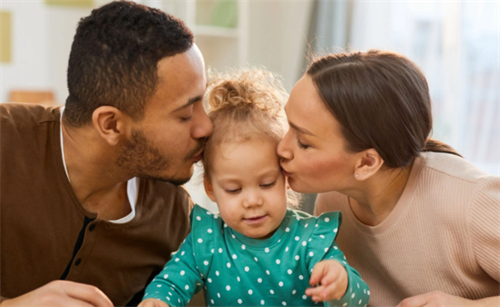
Every summer, holiday, or school break, a familiar pattern quietly returns to many families.
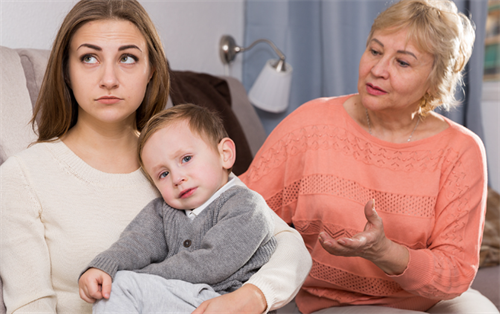
Children leave the structure of their parents' routines and step into the arms of grandparents—arms filled with snacks, extra screen time, relaxed rules, and boundless tolerance. What grandparents see as love, parents often experience as anxiety. What parents call "principles," grandparents may feel are "too harsh."
This is not a conflict between good and bad parenting. It is a conflict between different life experiences, emotional needs, and understandings of responsibility.
Intergenerational parenting is not a modern problem—but modern pressures have made it sharper. Today's parents face academic competition, safety concerns, and psychological awareness that did not exist decades ago. Meanwhile, grandparents often carry memories of hardship, loss, and emotional distance from their own children.
The question is not who is right.
The real question is: How do we protect a child's long-term development without turning family love into a battleground?
The Real Strengths of Grandparent Involvement (Often Overlooked)
Before discussing problems, we need to correct a common misunderstanding: Grandparent involvement is not inherently harmful.
In fact, research consistently shows that positive intergenerational relationships can support children's emotional stability and social development .
Emotional Calm and Psychological Safety
Many grandparents interact with children without the daily stress parents carry. Without homework deadlines, performance evaluations, or workplace exhaustion, they often offer calm presence.
In families I've consulted with, children who felt tense around achievement-focused parents often relaxed visibly when spending time with grandparents—talking more freely, asking questions, and expressing emotions without fear of judgment. This emotional safety matters. Children develop resilience not only from rules, but from feeling understood.
Life Experience as Quiet Wisdom
Grandparents have raised children through illness, scarcity, accidents, and uncertainty. When a child gets sick, they often respond with calm confidence that reassures the entire household.
In one family I worked with, a first-time mother panicked over minor fevers, while the grandmother calmly monitored symptoms and reduced unnecessary hospital visits. Over time, the mother herself became more confident and less anxious. Experience doesn't replace modern knowledge—but it grounds it.
Time and Presence
Many grandparents have something modern families lack: time. Time to listen to long stories. Time to repeat instructions patiently. Time to walk slowly, cook together, and answer endless "why" questions.
For children, time equals attention. And attention, when healthy, supports emotional security.

When Love Turns Into Overprotection
Problems arise not from love itself, but from love without boundaries.
Everyday Scenes That Signal Deeper Issues
These moments feel small—but they add up:
A grandparent carries a schoolbag every day "so the child won't get tired." A child capable of eating independently is still fed "to save time." Homework is "helped" until it's no longer the child's work at all. Rules set by parents are quietly bypassed with "Don't tell Mom."
In isolation, these acts look harmless. Over time, they reshape how children see responsibility, effort, and authority.
What Research Tells Us About Overindulgence
Studies show that excessive adult intervention reduces children's self-regulation and problem-solving ability
. Children who are consistently rescued from frustration develop lower frustration tolerance, reduced intrinsic motivation, and greater emotional dependence on adults.
In practical terms, this looks like children giving up quickly, avoiding challenges, or expecting adults to fix problems they can solve themselves.
Why Grandparents Overindulge (It's Rarely About the Child)
Understanding motivation reduces conflict.
Emotional Compensation
Many grandparents regret not being present for their own children. Indulgence becomes a way to "make things right."
Fear of Rejection
Some elders worry: "If I say no, my grandchild won't like me." So love becomes permission instead of guidance.
Loss of Social Role
After retirement, caring for grandchildren can become a primary source of meaning. Helping "too much" is sometimes a way to feel needed.
Recognizing these motivations doesn't excuse harmful behavior—but it helps parents respond strategically rather than emotionally.
What Actually Harms Children (And What Doesn't)
Not all indulgence is equal. Parents should hold firm when indulgence affects health (excessive sugar, unsafe habits), safety (traffic rules, supervision), or learning responsibility (doing homework for the child).
In one family I supported, a grandmother secretly completed homework. Within months, the child's academic confidence collapsed. He stopped trying entirely, assuming adults would intervene.
However, extra affection, storytelling, or relaxed routines during visits are usually not harmful—especially when framed as "special time," not permanent rules. Children can tolerate flexibility when adults communicate clearly and consistently.
How Parents Can Respond Without Breaking Family Bonds
Model Respect First
Children learn how to treat elders by watching parents. Simple acts—greeting warmly, listening patiently, expressing gratitude—teach children respect far more effectively than lectures.
Set Boundaries Privately, Not Publicly
Correcting grandparents in front of children often triggers defensiveness. Effective parents explain concerns calmly and privately, focusing on shared goals: "We all want her to become confident and healthy. Let's work together."
Divide Responsibilities Clearly
In many families, harmony improved when roles were clarified. Grandparents focus on daily care and companionship while parents handle discipline, learning, and rule-setting. This structure reduces confusion and power struggles.
Turning Grandparent Love Into Growth Opportunities
Skill-Based Bonding
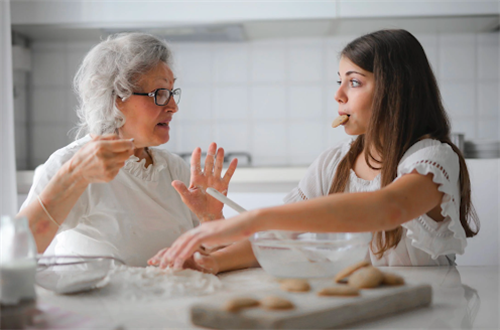
Encourage children to learn real skills from grandparents—cooking, gardening, crafts. These activities build competence and respect.
Storytelling as Identity Building
Listening to grandparents' life stories helps children understand resilience, history, and family identity—key components of emotional strength .
Reverse Teaching
Teaching grandparents to use smartphones or apps gives children a sense of contribution and balances authority roles.
When Communication Fails—Protecting the Child Comes First
If repeated boundary violations continue in critical areas, parents may need to reduce unsupervised caregiving temporarily, adjust visit frequency, or seek neutral third-party guidance from a family counselor or pediatrician. Protecting a child's development is not disrespect. It is responsible parenting.
A Shared Goal for Three Generations
The healthiest families are not those without conflict—but those willing to adjust roles over time.
Grandparents gradually step back. Parents step forward confidently. Children step into independence, supported—not controlled—by love.
True love does not remove all obstacles. It teaches children how to walk through them.

Medical Disclaimer
This article is for educational purposes only and does not replace professional medical, psychological, or legal advice. Families facing severe or persistent conflict are encouraged to seek individualized support from qualified professionals.
Resources for Support:
Institute for Family Growth and Child Development: www.ifgcd.org
American Association for Marriage and Family Therapy: locator.aamft.org
Find a family therapist: www.psychologytoday.com/us/therapists
About the Author
Dr. Laura Bennett, LCSW, is a Licensed Clinical Social Worker specializing in family systems, parenting dynamics, and intergenerational relationships. She has over 12 years of experience providing family counseling, parent education workshops, and child development consultations in community and clinical settings.
Her work focuses on helping families establish healthy boundaries while preserving emotional connection across generations. Dr. Bennett continues to engage in clinical practice at the Institute for Family Growth and Child Development, New York, NY, where she works directly with parents, children, and extended family members.
Reviewed by: Sarah Chen, MD, FAAP
Review Date: March 2026
Next Review: January 2027
References
[1]Sadruddin, A. F. A., et al. (2019). Intergenerational relationships and child development. Child Development Perspectives. https://doi.org/10.1111/cdep.12334
[2]Grolnick, W. S., & Pomerantz, E. M. (2020). Issues and challenges in parental control. Child Development Perspectives. https://doi.org/10.1111/cdep.12355
[3]Harvard Center on the Developing Child. (2021). Building core life skills. https://developingchild.harvard.edu
[4]American Academy of Pediatrics. (2023). Promoting independence and resilience in children. https://www.aap.org
Related Articles
The Grandparent's Role in Modern Parenting: Balancing Wisdom & Boundaries
Co-Parenting After Divorce: Protecting Your Child's Emotional Well-Being
Effective Praise in Parenting: Science-Backed Strategies
Recommend for you:
When Parents Disagree: A Practical Guide to Unified Parenting
This evidence-based guide explains how couples can communicate, compromise, and foster a nurturing, adaptive environment that strengthens both children and the parental relationship.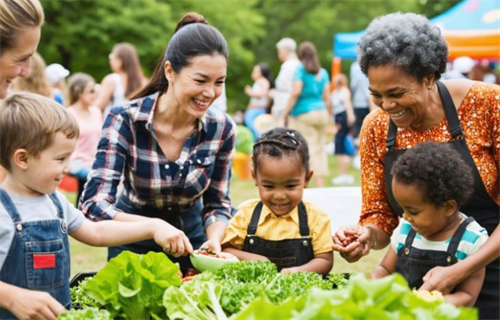
How Parents Build Strength Through Community—and Raise Stronger Children Because of It
Many parents quietly share the same thought, even if they never say it out loud: “I’m holding on—but I’m holding on alone.”
How Foster Parents Can Partner with Teachers: Communicating Your Child's Needs While Protecting Their Privacy
An essential guide for foster parents to foster effective communication with school staff, ensuring the academic and emotional success of foster children.
How to Save Your Parent-Child Relationship from the Brink of Collapse
Licensed clinical social worker shares 7 science-backed strategies to repair parent-child relationships. Learn emotional regulation techniques, communication tools, and stress management from a children's mental health expert.